
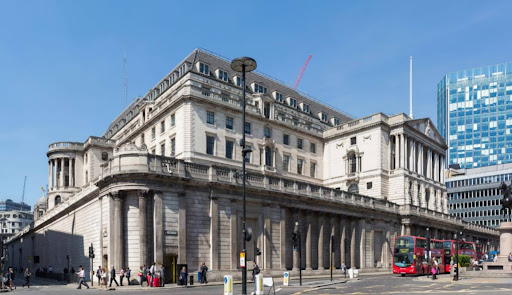
Energy costs have been elevated to the top of the UK policy priority list following the Bank of England’s decision to hold rates at 3.75% and warn that the Iran war’s disruption to global energy markets could push inflation above 3% and require rate hikes. The monetary policy committee voted unanimously to hold on Thursday, with Governor Andrew Bailey explicitly identifying the restoration of disrupted energy supply lines as the most effective solution to the UK’s inflation problem. For both the Bank and the government, energy costs have moved from a background concern to a central and urgent policy challenge.
The elevation of energy costs as a priority reflects the directness and immediacy of the war’s impact on the UK through the energy channel. Oil and gas prices have risen since the conflict began, with petrol prices already moving higher at UK forecourts and household energy bills at risk of following. The Bank has incorporated the energy cost risk into revised inflation forecasts that now show price growth rising significantly above target in the near term.
Governor Bailey’s explicit focus on energy supply lines in his public communications was unusual for a central banker, reflecting the degree to which the energy cost dimension of the problem dominates the current policy challenge. He acknowledged that restoring those supply lines was beyond the Bank’s power to achieve, placing the burden of the most effective solution on international diplomacy and, by implication, the government’s own energy security strategy.
Financial markets responded to the elevated energy cost priority with a hawkish repricing. UK gilt yields rose, the FTSE 100 fell, and the pound strengthened against the dollar as traders priced in the monetary policy consequences of the energy price shock. Analysts noted that the energy cost dimension of the inflation risk was likely to remain elevated until the conflict showed signs of resolution.
For UK policymakers, the elevation of energy costs as a priority demands action on multiple fronts. The Bank will respond through monetary policy if the inflationary consequences become entrenched. The government faces pressure to provide fiscal support for household energy costs and to accelerate the development of domestic energy security measures. The combination of immediate financial relief and longer-term structural investment is the comprehensive response the situation requires.