
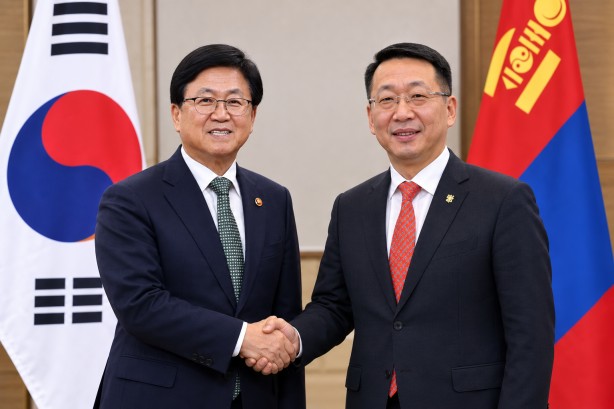
South Korea is playing a pivotal role in enhancing Mongolia’s cultural heritage conservation efforts through a collaborative higher education program aimed at shaping future experts in the field. This initiative has led to the establishment of new facilities dedicated to conservation and digital documentation at the Mongolian University of Science and Technology. Representatives from both nations recently assessed the progress of this endeavor, which is part of a broader strategy to bolster Mongolia’s capacity in preserving its cultural assets.
Spearheaded by Kongju National University since 2020, the partnership has been instrumental in launching Mongolia’s first Department of Tangible Cultural Heritage Conservation Technology. This program is comprehensive, encompassing the creation of a specialized curriculum, the upgrading of laboratories, the training of faculty members, and the development of educational resources in the Mongolian language. These efforts are designed to lay the foundation for a robust conservation education infrastructure in Mongolia.
An essential component of this collaboration is the emphasis on transitioning to a locally driven educational framework. South Korea is actively involved in training Mongolian faculty members, a move aimed at ensuring the sustainability of the program. By equipping local educators with the necessary skills and knowledge, the initiative seeks to empower Mongolia to continue and expand its conservation education independently in the future.
The long-term vision of this initiative is to foster enduring educational cooperation between South Korea and Mongolia. By focusing on capacity building and resource development, the program not only addresses immediate conservation needs but also paves the way for a sustained exchange of expertise and educational advancements between the two countries. The commitment to creating a self-sustaining program underscores the shared dedication to preserving cultural heritage for generations to come.