
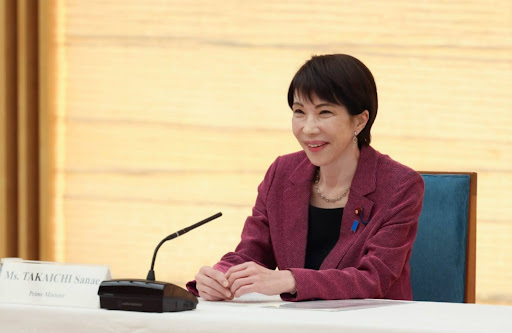
Asia is watching closely as Japan announces the continent’s most significant national energy emergency response in recent memory. Prime Minister Sanae Takaichi confirmed that approximately 80 million barrels of state crude — 45 days of domestic demand — will be released to refiners this week. A prior 15-day release from private-sector reserves was approved last week. Japan imports over 90% of its crude from the Middle East, and the US-Israel conflict with Iran has placed the Strait of Hormuz — Asia’s critical oil lifeline — under threat.
Japan’s response is being watched across the region as a model for how a major economy should handle a sudden, acute energy supply shock. Takaichi declined US President Trump’s request for military engagement, citing Japan’s constitution, and committed to diplomatic channels. Her government’s multi-tool response — reserves, subsidies, diplomacy — is being analysed by policymakers across Asia who face similar energy dependency challenges. Tokyo’s handling of the crisis is being seen as a benchmark.
The 80 million barrel drawdown is 1.8 times the post-Fukushima 2011 emergency release. Japan holds approximately 470 million barrels in total reserves, covering about 254 days of domestic consumption. Officials say the release is sustainable and the reserve position secure. The government is prepared for further action if the situation demands.
Fuel subsidies cap retail petrol at ¥170 per litre after record highs of ¥190.8. Weekly reviews ensure the policy stays current with oil market developments. Energy analysts across the region have praised the transparent and flexible design of the policy. Together with the reserve release, it creates a comprehensive and replicable framework for managing an acute energy supply disruption.
Consumer panic about toilet paper and household goods has spread. The trade ministry confirmed 97% of Japan’s toilet paper is produced domestically from recycled materials unconnected to oil imports. Industry groups confirmed supply stability. As Asia watches, Japan is demonstrating that a major economy can manage a serious energy emergency with discipline, speed, and constitutional integrity.