
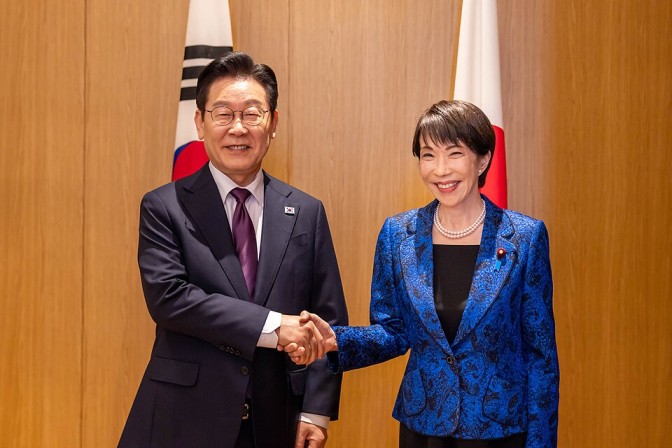
In a significant diplomatic engagement, Japanese Prime Minister Sanae Takaichi recently met with South Korean President Lee Jae Myung in the city of Andong, South Korea. The leaders convened to fortify cooperation in areas such as energy security, defense, and regional stability, particularly in light of the escalating tensions in the Middle East. This meeting marked Takaichi’s inaugural visit to South Korea since assuming office and represented the third summit between the two heads of state, underscoring a pattern of increasing reciprocal exchanges between the neighboring nations.
Amid growing global uncertainties, both leaders underscored the necessity for enhanced collaboration. Takaichi emphasized Japan and South Korea’s critical role in sustaining stability throughout the Indo-Pacific region, while President Lee advocated for continued dialogue and cooperation among allied nations. The discussions were poised to culminate in a joint statement that would emphasize energy security and economic coordination between the countries.
The backdrop of these discussions is notably influenced by the heavy reliance of both Japan and South Korea on oil imports from the Middle East. Both nations have felt the impact of disruptions related to the Strait of Hormuz, making energy security a critical point of focus. Consequently, the summit included deliberations on fostering public-private partnerships aimed at securing petroleum supplies and establishing a new framework for policy dialogue between trade and industry officials from both countries.
This summit coincided with recent high-level talks between the United States and China, reflecting a broader context of regional security challenges. Japan and South Korea’s discussions also touched upon reviewing these challenges and exploring avenues for trilateral cooperation with the United States to ensure a coordinated approach to emerging threats. The meeting highlights a strategic effort to bolster alliances and maintain equilibrium in the region during a period of heightened geopolitical tension.