
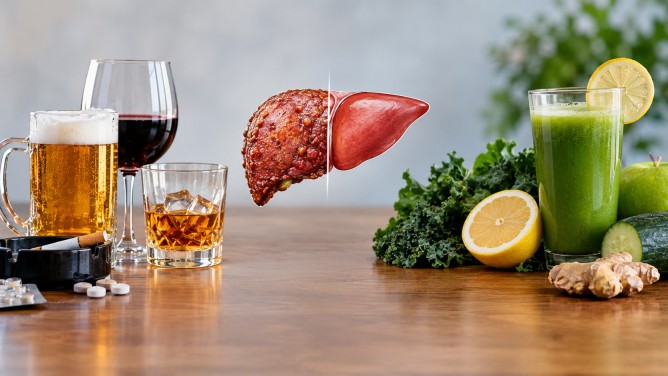
Alcohol consumption can lead to liver damage over time, manifesting as fat accumulation, inflammation, and in severe cases, permanent scarring. The liver, while possessing a remarkable ability to heal itself, requires timely intervention to mitigate damage. Despite popular beliefs, detox drinks and cleansing diets lack scientific backing as effective remedies for reversing long-term alcohol-related liver damage.
The liver’s role in breaking down alcohol results in the production of substances that can harm its cells. Repeated exposure to alcohol may lead to inflammation and fat buildup. In the early stages, conditions like alcohol-related fatty liver can improve significantly if alcohol consumption ceases. However, continued drinking can escalate to more serious liver conditions such as alcohol-related hepatitis and advanced liver disease.
Long-term liver inflammation can cause fibrosis, where scar tissue replaces healthy tissue, potentially advancing to cirrhosis, which can permanently impair liver function. Some liver damage might improve with appropriate treatment and cessation of alcohol, but advanced disease stages may not be fully reversible. Early medical evaluation is crucial, given that symptoms often surface only after significant progression of the condition.
While detox drinks made with ingredients like lemon and herbs are marketed as body cleansers, there is no reliable evidence supporting their ability to reverse extensive alcohol-related liver damage or scarring. The liver naturally processes substances for elimination without requiring special diets or supplements, some of which might even harm the liver.
For those concerned about liver health, the best approach is to stop alcohol consumption, seek medical advice, and maintain healthy lifestyle habits. A balanced diet rich in vegetables, fruits, whole grains, and healthy fats supports overall health, while managing conditions like diabetes and high blood pressure can reduce additional risks to the liver.
Individuals with alcohol dependence should consult healthcare professionals, as suddenly stopping alcohol can lead to dangerous withdrawal symptoms. Avoid products promising rapid detoxification and discuss any supplements with a healthcare provider, especially when liver disease is suspected. Regular medical check-ups can assess liver health and guide treatment, reducing the risk of complications.
Ultimately, liver recovery requires avoiding further alcohol harm, eating well, and obtaining medical care when necessary. While early liver damage has the potential to improve, advanced scarring may be permanent. Taking proactive steps early on is essential for protecting long-term liver health.