
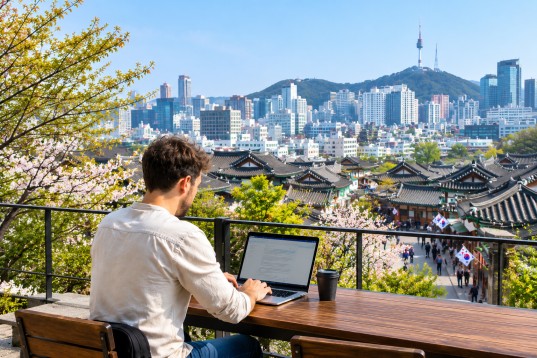
In a bid to attract more international professionals, South Korea has introduced the Digital Nomad Visa (F-1-D), replacing its previous pilot program. This new visa is designed to make it easier for foreign remote workers to reside in South Korea while working for employers based abroad. The updated visa comes with relaxed eligibility requirements, aiming to draw a diverse pool of global talent to the country.
The most significant change with the Digital Nomad Visa is the lowered income threshold, particularly benefiting younger applicants and those considering living outside the bustling Greater Seoul area. The revised policy also targets individuals interested in relocating to regions experiencing population decline, thereby supporting local economies. These adjustments signal South Korea’s commitment to becoming a more attractive destination for remote workers around the world.
Another key feature of the new visa is the extension of the maximum stay duration, which has been increased from two years to three years. This change is expected to encourage long-term settlement among remote workers, providing them with greater stability and the opportunity to immerse themselves more fully in Korean culture and society. By extending the visa period, South Korea hopes to foster a more dynamic and diverse community of skilled professionals within its borders.
The South Korean government has highlighted that the initiative is part of a broader strategy to enhance the country’s appeal as a destination for highly skilled remote workers. By attracting global talent, the government aims to boost economic growth and innovation while simultaneously addressing demographic challenges. The Digital Nomad Visa is a step towards positioning South Korea as a competitive and welcoming environment for professionals from around the globe.
Overall, South Korea’s introduction of the Digital Nomad Visa reflects a forward-thinking approach to global workforce trends and the increasing popularity of remote work. With these new provisions, the country is set to capture the interest of international talent looking for a dynamic place to live and work, further solidifying its reputation as a hub for innovation and cultural exchange.