
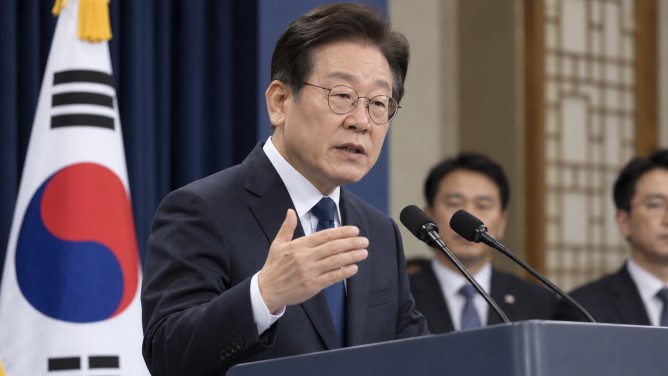
In the ongoing debate over prosecution reform in South Korea, President Lee Jae Myung has issued a caution against “irresponsible extremism” that he believes could hinder meaningful progress. In a social media statement on Wednesday, Lee addressed criticism aimed at his comments describing some reform advocates as extremists, emphasizing that while many support reform for the public good, excessive demands may obstruct the process.
The core of the disagreement lies in the powers of prosecutors within the South Korean judicial system. Lee, who has previously supported limited prosecutorial powers to conduct supplementary investigations in certain cases, now faces criticism from hard-line members of his ruling Democratic Party. These members argue that Lee has deviated from the party’s original prosecution reform goals. Recent legislation, introduced by the ruling party, has removed prosecutors’ investigative authority, confining them largely to charging and maintaining indictments.
President Lee argues that an all-or-nothing approach and hostility towards those advocating pragmatic reforms could lead to unnecessary division and weaken efforts to implement significant institutional changes. He has criticized the portrayal of uncompromising stances as the sole legitimate path to reform, stressing the need for a balanced approach that considers practicalities alongside institutional change.
The debate has exposed internal differences within the Democratic Party regarding the scope and execution of prosecution reform. Lee has reiterated the importance of integrating practical considerations into the reform process to ensure it is both effective and sustainable.
As the discussion continues, the focus remains on finding a middle ground that will allow for progress in the judicial system while maintaining the integrity of prosecutorial responsibilities. Lee’s call for moderation comes at a crucial time, as South Korea seeks to balance the demands for reform with the realities of its legal framework.