
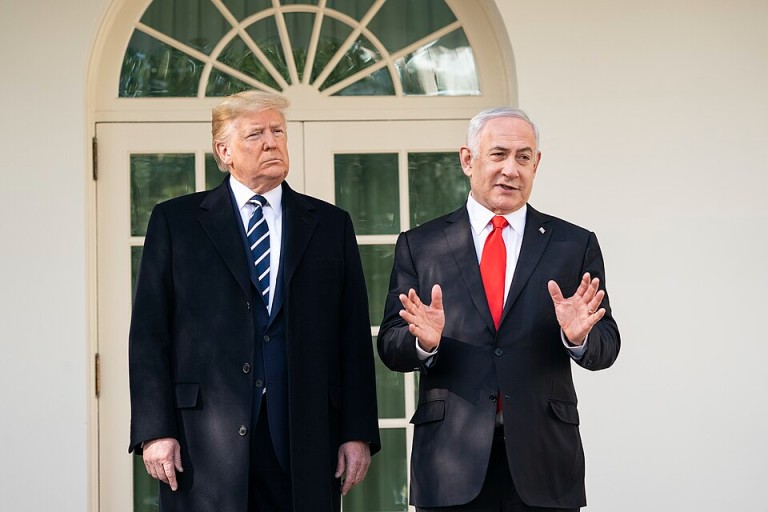
In a surprising turn of events, U.S. President Donald Trump has openly criticized Israeli Prime Minister Benjamin Netanyahu, labeling him as “a very difficult guy” amidst ongoing tensions related to the conflict involving Iran and Lebanon. This criticism emerges as Washington and Tehran are on the brink of signing a peace agreement that aims to conclude over three months of regional turmoil. The anticipated deal is set to incorporate a pause in military activities, the reopening of the Strait of Hormuz, and lifting U.S. naval restrictions in the area.
President Trump has voiced his displeasure over Israel’s persistent military endeavors in Lebanon, particularly highlighting how the recent strikes on Beirut have complicated the efforts to finalize the peace agreement with Iran. He pointed out that these attacks have postponed the announcement of the peace framework and heightened tensions at a crucial phase in the negotiations. Despite these challenges, Trump underscored the indispensable nature of American support for Israel, acknowledging that significant regional security challenges persist.
The divergence in views between Washington and Tel Aviv becomes increasingly apparent as the U.S. president’s statements reflect a strain over how to manage the broader Middle East crisis. The conflict took a new dimension in Lebanon after Hezbollah entered the fray, supporting Iran, which led to extended cross-border clashes and a substantial Israeli military operation in southern Lebanon. This violence has displaced numerous civilians and stoked fears of an escalating regional war.
While both the United States and Iran have reported advancements towards a peace settlement, uncertainties loom regarding Lebanon’s place in the agreement. Mediators have suggested that Lebanon-related issues will be addressed in upcoming discussions, although Israel has asserted its intent to continue making independent security decisions. The peace framework is slated to be officially signed in Switzerland later this week, after which both parties will engage in a 60-day negotiation period to tackle unresolved matters, including Iran’s nuclear program and wider regional security concerns.
Global markets are closely monitoring the agreement, as its successful implementation could stabilize the Middle East and restore normal shipping through the Strait of Hormuz, a crucial conduit for international energy supplies. The world watches with bated breath, hoping this initiative will pave the way for sustained peace and stability in a volatile region.