
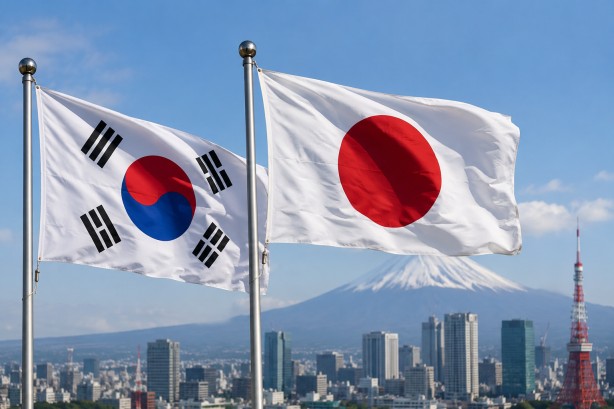
Japan’s political climate is shifting towards conservatism under the leadership of Prime Minister Sanae Takaichi, posing new challenges for its relationship with South Korea. This change raises fears that longstanding historical and territorial conflicts could disrupt recent diplomatic strides made by both nations. Traditionally, South Korea and Japan have managed to keep contentious historical issues separate from areas requiring mutual cooperation, such as security and economic partnerships. However, a recent report from South Korea’s Institute for National Security Strategy highlights concerns that Japan’s political instability and growing right-wing influence might hinder the progress in bilateral relations.
The resurfacing of tensions is evident, particularly following visits by Japanese politicians to the contentious Yasukuni Shrine, a site often associated with Japan’s militaristic past. Additionally, Japan’s reassertion of its territorial claim over the Dokdo islets, which South Korea controls and calls Takeshima, has exacerbated the situation. Although Prime Minister Takaichi refrained from visiting the shrine during the anniversary of Japan’s World War II surrender on August 15, she did send a ritual offering. This gesture, coupled with visits from other senior Japanese officials, sparked official protests from South Korea.
In response to these developments, South Korean President Lee Jae Myung has opted for a balanced approach. While he acknowledges the deep-seated historical grievances between the two nations, he underscores the growing importance of cooperation with Japan. This strategy aims to preserve the ‘two-track’ approach, which separates historical issues from economic and security collaboration.
Experts caution that if disputes over history, territorial claims, and wartime controversies persist, the ‘two-track’ strategy could falter. Continued diplomatic friction threatens to overshadow any potential advances unless both nations make significant strides in resolving these issues while simultaneously expanding practical cooperation. Without tangible progress, the delicate balance of diplomacy may be difficult to maintain, underscoring the need for careful navigation in the future.