
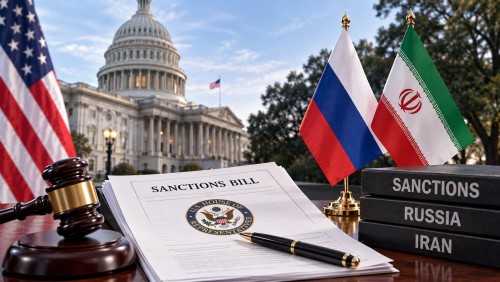
As tensions persist on the global stage over the ongoing conflict in Ukraine, the United States is poised to heighten economic pressure on Russia and Iran. The US House of Representatives has passed the Lindsey O. Graham Sanctioning Russia and Iran Act of 2026, a legislative measure designed to intensify sanctions against these two nations. This move reflects a broader strategy to leverage economic tools in international diplomacy.
The legislation, which targets Russian officials, financial institutions, and energy sectors, passed the House by a vote of 262-159 on September 16, following the Senate’s approval in August. It now awaits the decision of President Donald Trump. By extending the sanctions framework, the bill seeks to curtail Russia’s financial capabilities, especially in relation to its war efforts in Ukraine. Additionally, it introduces tariffs of up to 100% on goods from countries that purchase Russian oil or gas or facilitate the evasion of existing sanctions.
Beyond its focus on Russia, the bill also extends the Iran Sanctions Act through 2031, incorporating new measures that target financial and energy activities linked to Iran. This dual-focus approach underscores the US’s commitment to addressing what it perceives as threats to international stability and security from both nations.
Despite receiving bipartisan support, the legislation has faced criticism from some lawmakers who are wary of expanding presidential authority over tariffs and sanctions. This reflects an ongoing debate within the US political landscape regarding the balance of power between the legislative and executive branches in the realm of foreign policy.
As the bill heads to the President, the international community will be closely watching for the potential impacts these enhanced sanctions might have on global economic dynamics, as well as their effectiveness in achieving the US’s strategic objectives.