
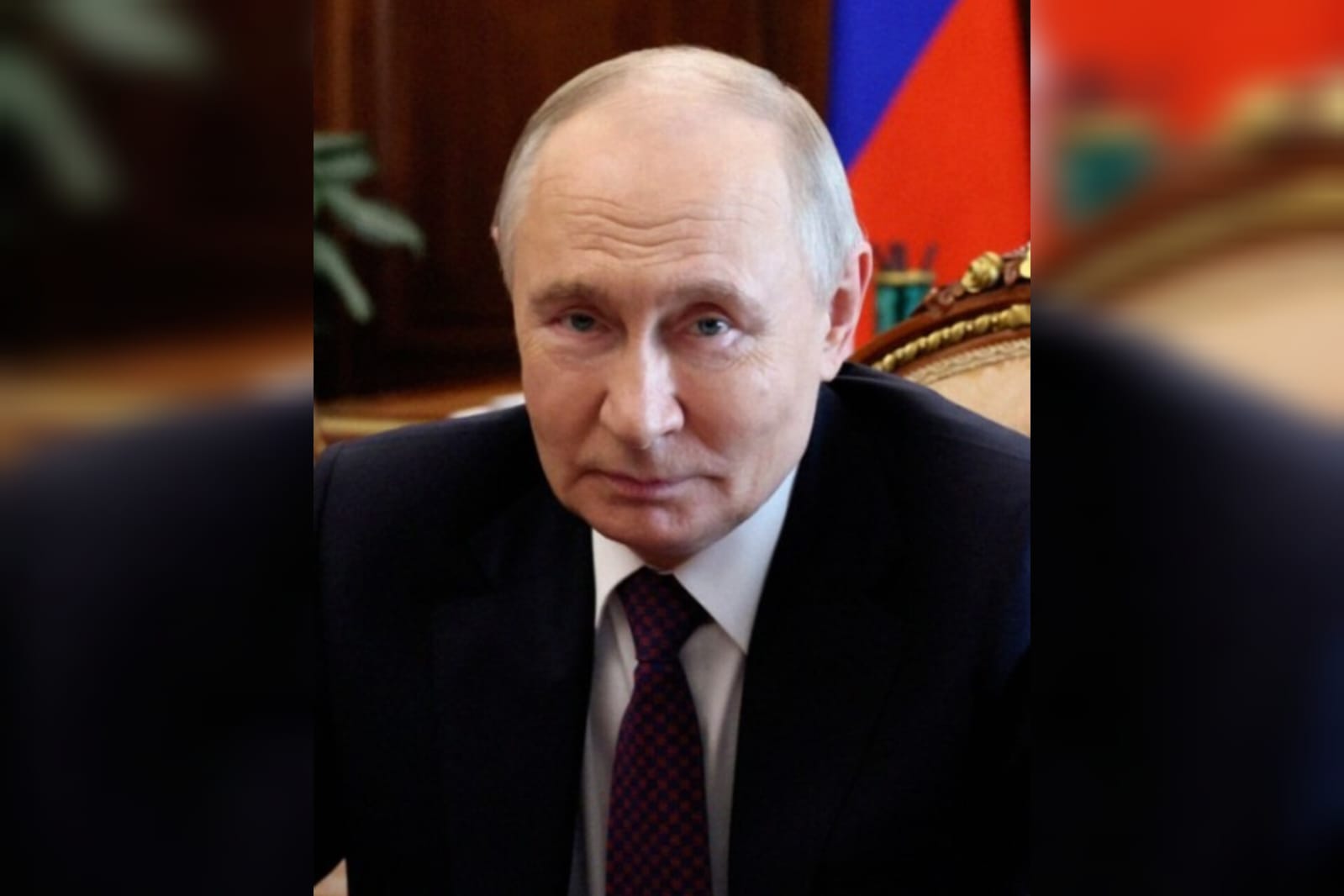
In light of Ukraine’s intensified drone attacks, Russian President Vladimir Putin acknowledged that the strikes on the country’s energy infrastructure are causing noticeable disruptions in fuel supply. While he admitted to the shortages, he assured that these issues have not reached a critical stage. The drone assaults have significantly impacted oil refineries and fuel facilities, diminishing Russia’s refining capacity and straining domestic fuel availability. In response, several regions have imposed fuel restrictions as authorities attempt to manage the situation and restore damaged infrastructure.
To mitigate the effects of these attacks, Russia is planning to boost fuel imports, enhance security measures around refineries, and expedite repair operations. These measures aim to alleviate the pressure caused by Ukraine’s increasing capability to target strategic sites far from the conflict zones. The escalation in Ukraine’s drone campaign underscores its strategic intent to weaken Moscow’s military efforts by disrupting essential fuel supplies.
The situation is particularly challenging in Crimea, where the repeated strikes have severely affected fuel and transport networks. Residents have faced long lines at petrol stations, leading to growing frustration and criticism on social media platforms. The incidents in Crimea underscore the broader impact of the conflict on civilian life and infrastructure in the region.
Ukraine has openly stated that its actions against Russian energy facilities are a strategic move to hinder Moscow’s military operations by targeting crucial fuel supplies. Despite these challenges, President Putin has reiterated Russia’s commitment to continue its military objectives in Ukraine. The ongoing conflict continues to exert pressure on both military and civilian infrastructures, illustrating the war’s far-reaching implications.